New research from Zoetis UK reveals that nearly half of pet owners (48%) would assume their pet is simply getting older if they stopped doing things they usually enjoy, while only 18% would consider pain or discomfort as the most likely reason. Despite these changes potentially being an important sign that their pet might be in pain, just 14% would contact their vet first, while almost half (47%) would monitor their pet for a few days before taking any action.
The findings, from a survey of 1,000 UK cat and dog owners with pets aged five and over, highlight how subtle changes in everyday behaviour can be easy to dismiss or attribute to ageing. Ahead of World Arthritis Day on 12 October, Zoetis UK is launching Silent Signs in partnership with Cats Protection, prompting a new conversation about pain and osteoarthritis in pets at a time when attention often turns to arthritis in humans. The campaign aims to raise awareness of the less obvious signs of chronic pain and osteoarthritis (OA) in pets, of any age, and encourage owners to pay closer attention to the activities, interactions and routines that may have changed.
As part of the campaign, a free “Notice What’s Missing?” checklist has been developed to help pet owners track shifts in their pet’s daily habits and recognise patterns that might otherwise be overlooked. The resource encourages conversations with veterinary professionals if there are concerns about a pet’s wellbeing.
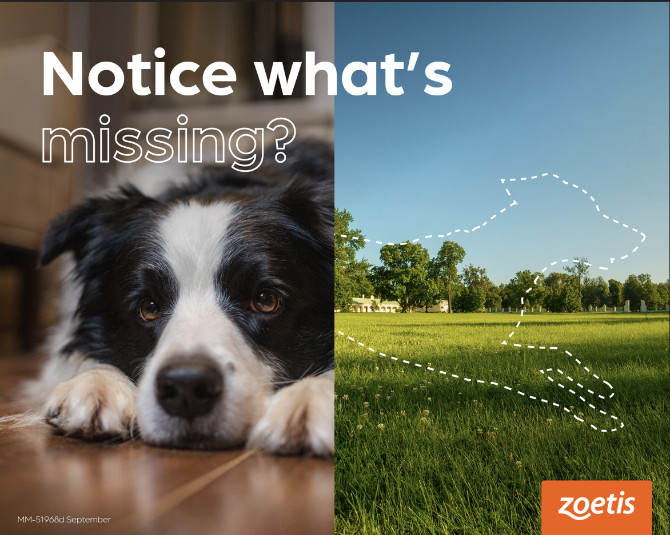
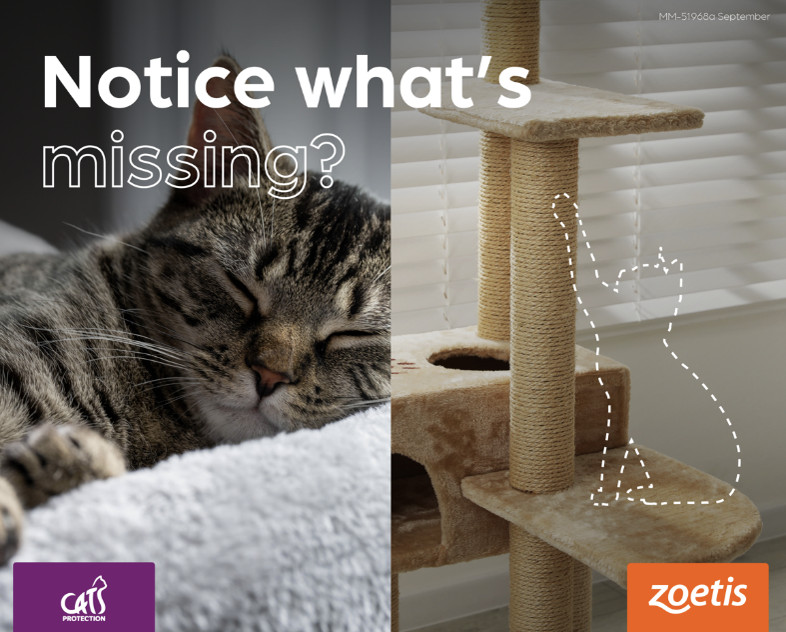
The checklist supports the campaign’s central message: that pain isn’t always what you see. Sometimes, it’s what you stop seeing. Silent Signs encourages owners to look beyond obvious symptoms and pay attention to the everyday behaviours and routines that may have quietly disappeared. Whether it’s a dog that no longer brings over a favourite toy or a cat that no longer jumps onto a windowsill, these missing moments could be important Silent Signs that your pet could be in pain or discomfort.
The moments owners are seeing less of
For many owners, these missing moments are already becoming part of everyday life. More than six in ten dog owners (62%) have noticed at least one everyday activity becoming less frequent over the past two years. While these changes may seem minor in isolation, they can be important, silent signs, of chronic pain or reduced mobility.
Among dog owners, the most frequently reported changes included pets spending less time running around the garden or park (25%), being less likely to jump onto the sofa (23%), showing greater reluctance to jump into the car (23%), and being less inclined to bring over a toy for play (22%).A similar pattern was seen among cat owners, with 62% noticing at least one change in their pet’s usual behaviour or routines. The most common shift was a reduction in play with favourite toys (28%), followed by spending less time outdoors (21%). Owners also reported their cats being less likely to use a scratching post (18%) or jump onto a favourite windowsill (16%).
Yet while owners are noticing these changes, they may not always associate them with pain or discomfort. More than three quarters (78%) recognise limping or moving differently as a potential sign of pain, but fewer than half (48%) recognise becoming less interested in everyday activities as a possible sign, and only around one in four (26%) recognise greeting family members less often as an indicator.
Izzy Hocking BVSc MRCVS, Senior Veterinary Engagement Manager, at Cats Protection says:
“Many people assume that if an older cat stops doing something they once enjoyed, it’s just a normal part of ageing. However, cats are experts at hiding pain, and arthritis is very common in later life, affecting a high proportion of cats over 12 years of age. Subtle changes, such as grooming less, using a scratching post less often, being reluctant to jump onto favourite spots, hiding more, or playing less, can all be signs of discomfort. If you notice changes in your cat’s behaviour or mobility, it’s important to book a visit with your vet.”
Jonny Lambert, Companion Animal Veterinary Lead, from Zoetis says:
“When people think about pain in pets, they often picture something obvious, such as limping. But pain can be much more subtle, particularly when it develops gradually. A pet that becomes less interested in playing, stops joining in with family activities, or is no longer as keen to do things they once enjoyed may be showing one of the many Silent Signs that can be easy to attribute to getting older. By paying attention to what pets have stopped doing, owners can become more aware of potential changes in their wellbeing and have a conversation with their vet if they are concerned.”
The latest findings build on previous research highlighting persistent misconceptions around pain and ageing in pets. Nearly half (45%) of pet owners believe arthritis is a normal part of ageing, while more than a quarter (28%) believe dogs will always show obvious signs of pain. Two in five (40%) pet owners are not confident recognising the early signs of arthritis. It also found that 78% of dogs are only brought to vets once their arthritis has progressed beyond the early stages, while 46% of vets identified the expectation that dogs will always show obvious signs of pain as one of the most harmful misconceptions among pet owners.
To find out more and download the checklist visit: https://www2.zoetis.co.uk/about-zoetis/news-media/knowledge-hub/silent-signs-recognising-the-signs-of-pain-in-pets




More Stories
Thomas Carroll wins Insurance Broker of the Year for South West & Wales at UK Broker Awards 2026
New report reveals 10,800 jobs boost for UK castings and forgings from offshore wind push
3 in 4 Women Sleep Worse the Week Before Their Period, Withings Analysis of 469,000 Menstrual Cycles Finds