Leading solar energy provider in the South West calls for change as tens of thousands of UK commercial and industrial properties owned by pension funds in the region and beyond could be missing out on energy savings generated from PV systems
SolarSense, the UK’s leading consulting, design and installation business in the commercial and industrial solar energy and battery storage marketplace, is urging the government and HMRC to clarify rules around the installation of solar panels on pension-funded commercial and industrial properties.
Ashley Wood, Chief Executive at SolarSense, believes that the HMRC’s stance not to give rulings on particular proposed investments by a registered pension scheme, including the installation of solar panels, “is acting as a major and unnecessary barrier to organisations in the South West and across the UK looking to save significant money on their energy bills, as well as progression towards net zero.”
The issue surrounds items that are classed as Tangible Moveable Property (TMP) – things that can be touched and that are moveable rather than immovable property. They include works of arts, desks, chairs, computer equipment and plant and machinery, but could also extend to less obvious assets such as solar panels and wind turbines.
As a pension fund cannot own an asset that is moveable it means pension owners may not be allowed to acquire and install solar panels if they are judged to be tangible moveable assets. In addition, pension funds cannot trade so pension owned commercial buildings would not be able to sell energy from PV installed on their roofs. The current rules put the onus on pension scheme administrators to make the decision about whether a solar installation could be classified as such.
Adds Wood: “Solar panels have a huge role to play in supporting economic growth by reducing the cost base of UK plc, whilst supporting cleaner energy generation and drastically reducing carbon emissions. It is therefore wrong that businesses should be left to their own devices to ascertain through a financial adviser whether installing solar panels will be classed as a tangible moveable asset.
Continues Wood: “Not only will the current TMP rules stop significant numbers of commercial and industrial landlords from installing solar, their tenants also will not be able to fit PV because they don’t own or rent the roof. The only way to get by this would be to rent the roof space separately, but the legal costs would be prohibitive.
“The rulings are too vague and confusing, which means tenant and pension owners will not risk installing solar panels. With the world having transitioned significantly to renewable energy in the last decade since TMP regulation was last looked at, its high time for a review to ensure it is fit for the new energy landscape.”
Wood has written to Ed Miliband, Secretary of State for Energy Security and Net Zero. In his correspondence he writes: “The government needs to inform HMRC that PV systems are not considered as tangible moveable assets so the pension fund can acquire solar panels and sell renewable energy to their tenant. This is because solar panels are permanent fixtures and cannot be removed without damage occurring, both exemptions to being classified as tangible moveable property.
In the correspondence Wood, also points out that there are estimated to be some 2m commercial buildings in the UK alone “so addressing this issue could have a dramatic impact on the energy cost base of UKplc as well as decarbonisation of the commercial and industrial property estate across the country.”
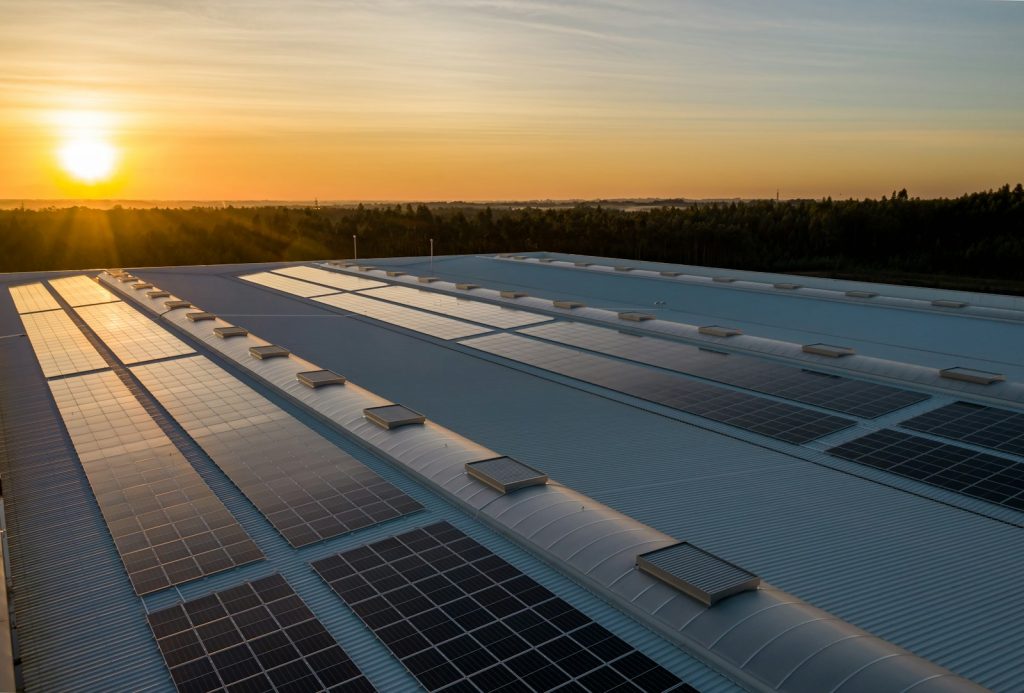
In particular, pension funds own a lot of warehousing, which are absolutely prime for introducing solar but could miss out on the opportunity due to solar panels being judged to be tangible moveable assets.
The Clean Power 2030 Plan unveiled by the government at the end of 2024 recognised that there is great potential for rooftop solar installation across the UK’s warehouse and industrial sector. It referenced research by the UK Warehousing Association that indicates that the UK’s 20% largest warehouses alone can provide 75 million sq metres of roof space, with the potential to support up to 15GW of rooftop solar capacity.




More Stories
Thomas Carroll wins Insurance Broker of the Year for South West & Wales at UK Broker Awards 2026
New report reveals 10,800 jobs boost for UK castings and forgings from offshore wind push
3 in 4 Women Sleep Worse the Week Before Their Period, Withings Analysis of 469,000 Menstrual Cycles Finds