Cornwall Council has identified 10 marine species most in need of protection in the region’s waters.
It is part of the authority’s work with partners to produce a ground-breaking Marine Nature Recovery Framework due to be completed next year.
It is published during National Marine Week and comes after the council joined the national Motion for the Ocean initiative last year.
The commitment recognises the need for ocean recovery as part of ambitions for 30% of land, rivers and seas to be well managed for nature by 2030 and to combat climate change.
The 10 marine species identified, in no particular order, are:
-
Seagrass

Seagrasses are deemed the third most valuable ecosystem in the world because they clean water and remove carbon dioxide, support biodiversity and commercial fisheries.
-
Maerl
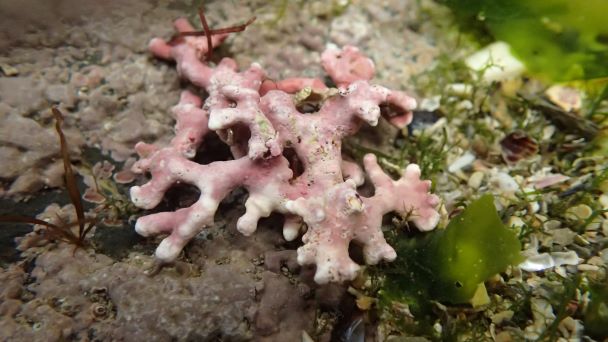
As well as storing carbon, maerl beds shelter marine plants and animals such as other seaweeds, sea urchins, sea cucumbers, anemones, molluscs, herring and scallops.
-
Kelp reef
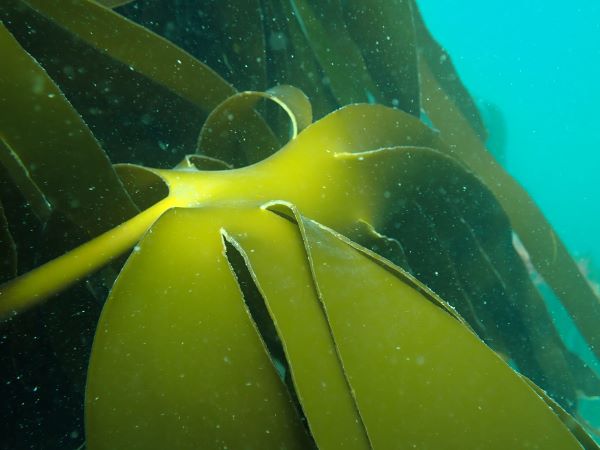
Kelp provides food, shelter and protection for all kinds of marine life, including seals, invertebrates, fish, whales and birds.
-
Native oyster
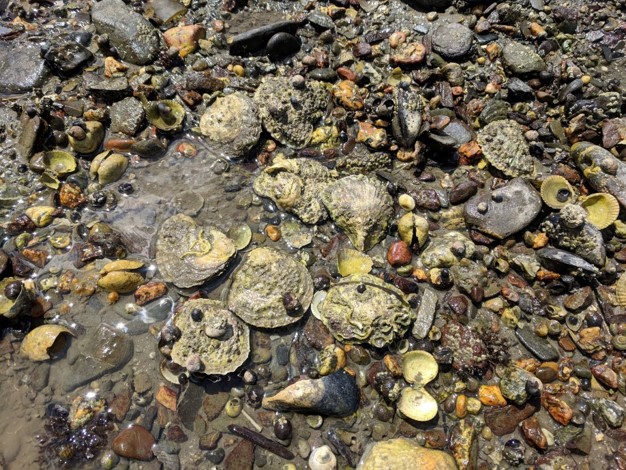
Native oysters filter water and improve conditions for other species and habitats like seagrass, and can prevent harmful algal blooms. They also provide safety and food for juvenile fish.
-
Seals
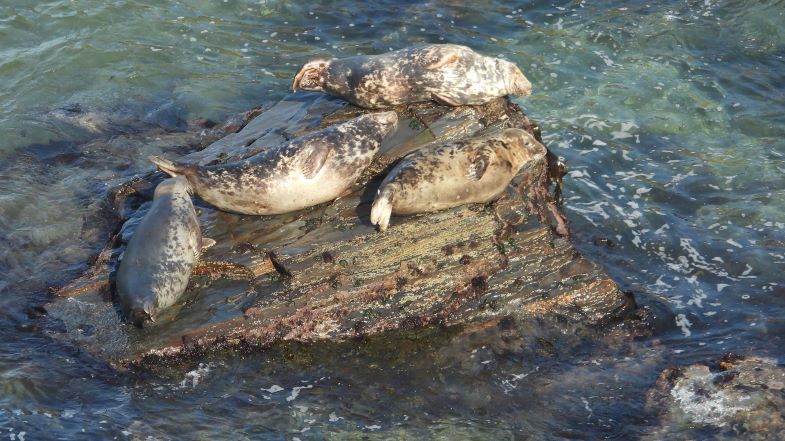
Grey seals have legal protection in Special Areas of Conservation (SACs) and Sites of Special Scientific Interest (SSSI) in Cornwall. They are essential members of their ecosystems both as predators of fish, squid, shellfish and seabirds, and as prey for hunters like orcas and sharks. The UK is home to 38% of the world’s population of grey seals.
-
Whales and dolphins
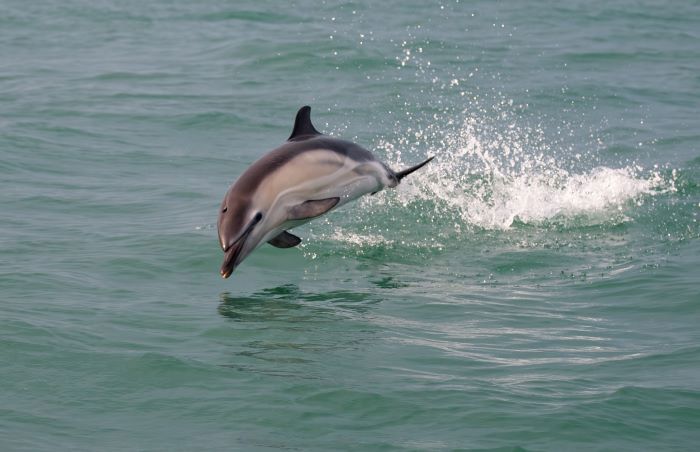
Whales and dolphins are important for maintaining a healthy marine environment and they are good indicators of any problems in the ecosystem. They face pressures from commercial fishing, recreation and climate change and are protected in UK offshore waters, e.g. bottlenose dolphins are protected in the Fal and Helford Special Area of Conservation.
-
Mussels
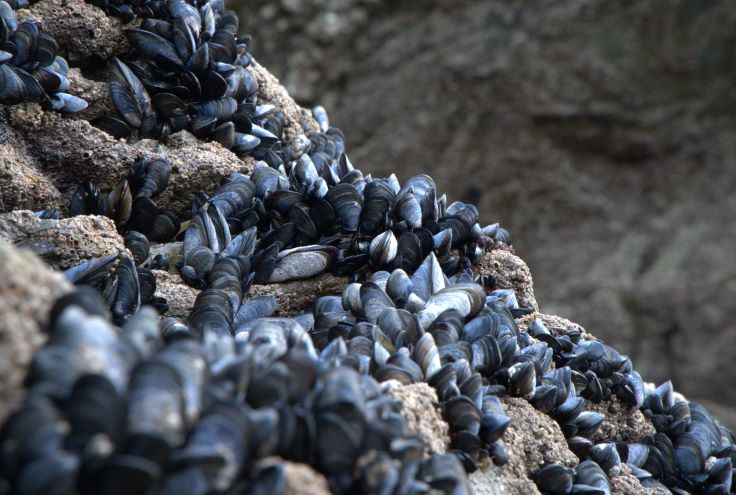
Mussels are powerhouses of filtration. By filtering water, cycling nutrients, and burrowing in river bottoms, freshwater mussels both improve and create aquatic habitats for fish, mammals, other macroinvertebrates, and people.
-
Sharks and rays
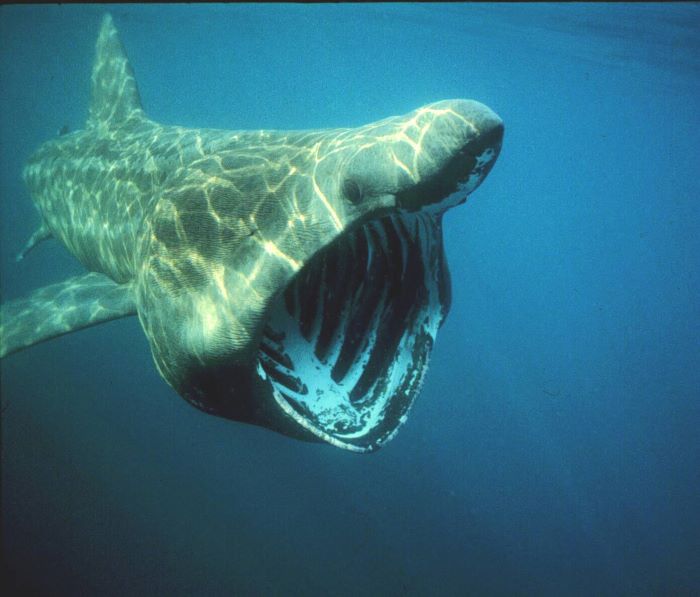
Sharks and rays help mix waters from different ocean layers supporting biodiversity. The basking shark feeds in the depths, swims to the surface and releases nutrients which oxygen-producing marine algae phytoplankton depend on.
-
Tuna and cod
Tuna are essential for a healthy ocean ecosystem by transporting nutrients to the sea surface where plankton need them to thrive, producing oxygen and capturing carbon dioxide. Cod is of major importance to Baltic Sea plant and animal life and any disturbance to cod stock has consequences throughout the entire sea.
-
Sea worms
Sea worms or polychaetes help recycle sediments helping ocean biodiversity.
Cllr Martyn Alvey, Cornwall’s cabinet member for environment and climate change, said:
“Identifying this list of our priority marine species in Cornwall is a crucial step in our work to develop an evidence-based plan to protect and restore nature in our coastal waters.
“It will align with our developing Local Nature Recovery Strategy due for consultation later this year, enabling us to take an integrated approach around the coastal boundaries of Cornwall and the Isles of Scilly.”
There are more than 400 miles of Cornish coastline hosting a huge diversity of marine species and habitats.




More Stories
Best-Value UK Autumn Staycations Revealed, With Cornwall, Cambridge and Wales Among Top Destinations
Cornwall residents urged to join the fight against fly-tipping
New Connect to Work programme launches in Cornwall